Tactical organization has become a defining feature of Moroccan football in recent years. In a continental context often characterized by stylistic diversity and rapid transitions, Morocco has developed an approach that emphasizes structure, adaptability, and collective discipline. This tactical identity does not emerge in isolation; it is the result of long-term development choices, coaching philosophies, and international exposure.
Examining why Morocco’s tactical approach stands out requires an understanding of how strategy, preparation, and execution interact within both domestic and international football environments.
Tactical Discipline as a Core Principle
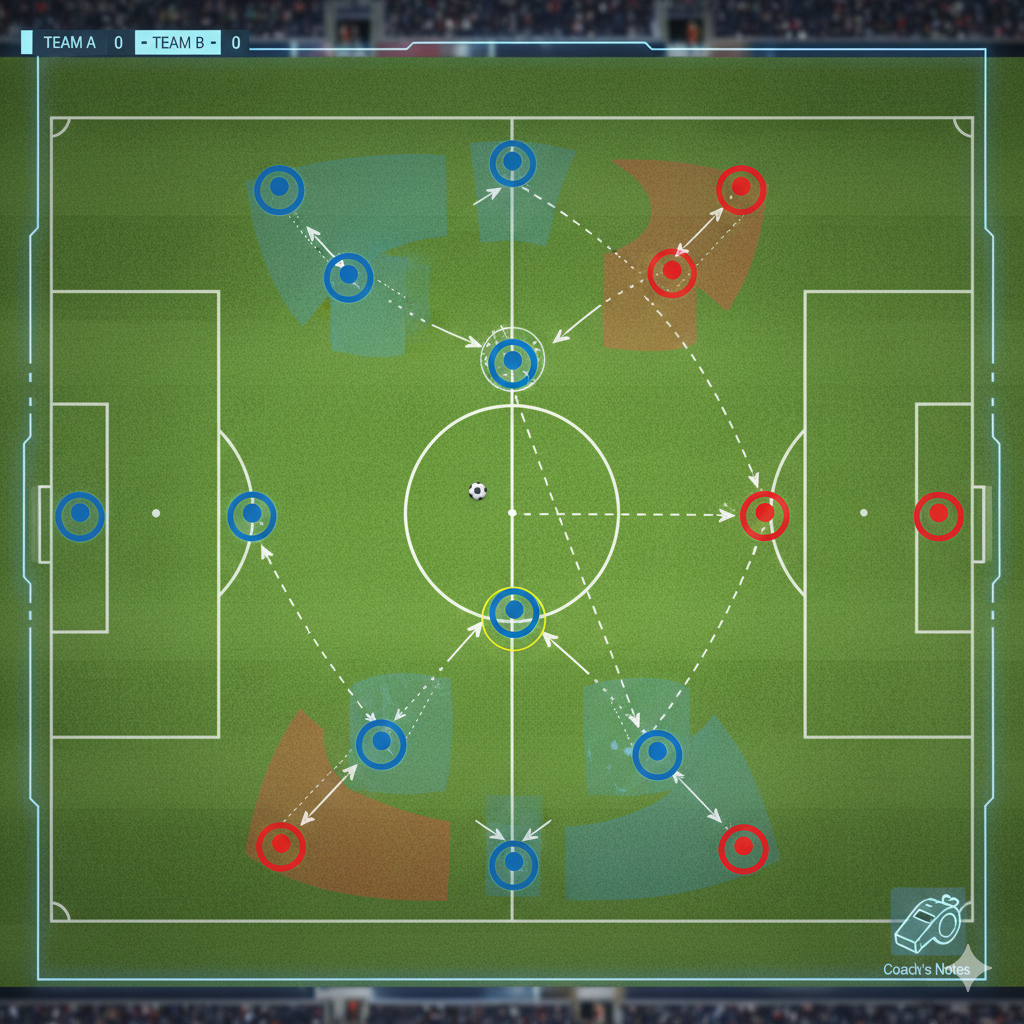
At the heart of Moroccan football lies a strong emphasis on tactical discipline. Teams are generally organized around compact defensive structures, clear positional responsibilities, and coordinated pressing phases. Rather than relying solely on spontaneous individual actions, Moroccan sides prioritize balance and collective cohesion.
This discipline allows teams to control space effectively, limit defensive exposure, and maintain stability even against technically or physically superior opponents. In African football, where matches are often decided by transitions and moments of imbalance, such organization represents a strategic advantage.
Flexibility and Game Management
Another key characteristic of Moroccan tactical identity is flexibility. Teams are prepared to adjust formations and strategies depending on the opponent, match context, and tournament conditions. This adaptability reflects an understanding that tactical rigidity can be costly in high-level competition.
Moroccan teams often demonstrate the ability to alternate between possession-based phases and more direct approaches without losing coherence. This capacity for game management allows them to respond effectively to changing match dynamics, whether protecting a lead or chasing a result.
Defensive Organization and Transition Control
Defensive organization is a central component of Morocco’s tactical approach. Defensive lines are typically well-coordinated, with an emphasis on spacing, anticipation, and collective movement. Midfield units play a crucial role in shielding the defense and controlling transitions.
By managing defensive transitions carefully, Moroccan teams reduce vulnerability to counterattacks, a common challenge in African competitions. This focus on transition control reflects modern tactical thinking and aligns Moroccan football with broader international trends.
Influence of Coaching and International Experience
Coaching philosophy plays a decisive role in shaping tactical identity. Many Moroccan coaches and technical staff are influenced by international methodologies, incorporating analytical preparation, video analysis, and data-driven decision-making into their work.
In addition, the presence of players with experience in diverse football environments reinforces tactical awareness on the pitch. These players often act as reference points, helping to implement game plans and maintain structure under pressure.
This combination of coaching expertise and player experience contributes to a shared tactical language within Moroccan football.
Tactical Identity in a Continental Context
Within African football, Morocco’s tactical approach stands out for its emphasis on preparation and strategic clarity. While physical intensity and technical skill remain important, Morocco’s success increasingly depends on collective organization and decision-making.
This identity challenges traditional perceptions of African football and highlights the growing importance of tactical sophistication on the continent. It also positions Morocco as a reference point for teams seeking to combine physicality with structured play.
Morocco’s tactical approach stands out in African football because it prioritizes discipline, flexibility, and collective intelligence. Rather than relying on isolated moments of brilliance, Moroccan teams emphasize preparation, structure, and adaptability.
This tactical maturity reflects broader developments within Moroccan football and aligns the national game with modern international standards. As African football continues to evolve, Morocco’s model illustrates how strategic thinking and long-term planning can shape competitive success on the continental stage.
Répondre à Can Tactical Identity Become a Competitive Advantage in African Football? – Morocco Football Tribune Annuler la réponse