In Morocco, football is more than a sport. It is a space where national identity is expressed, negotiated, and reinforced. Matches, tournaments, and major performances often transcend the boundaries of competition to become collective moments that reflect social cohesion, regional diversity, and shared national narratives.
Understanding the relationship between football and national identity in Morocco requires looking beyond results and trophies. It involves examining how football interacts with history, culture, and the everyday experiences of supporters.
Football as a Unifying Social Force
Moroccan society is marked by cultural, linguistic, and regional diversity. Football has long served as one of the rare spaces capable of bringing together individuals from different backgrounds around a common objective.
During national team matches, social distinctions tend to fade. Public spaces, homes, and cafés become shared arenas of emotion and anticipation. This collective experience reinforces a sense of belonging and creates moments of unity that extend beyond the pitch.
In this sense, football functions as a social connector, offering a symbolic language understood across generations and regions.
Stadiums as Spaces of Collective Expression
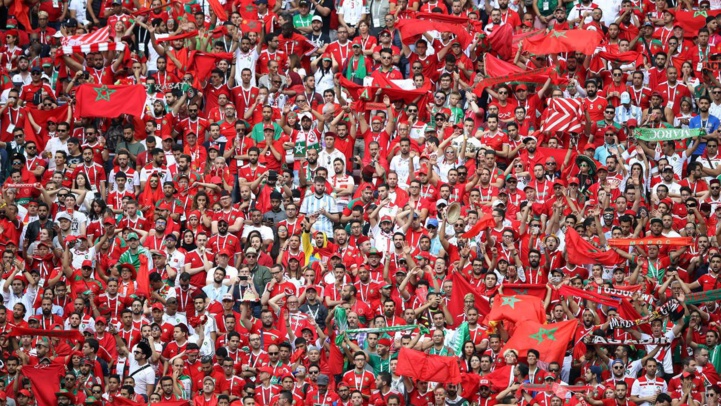
Football stadiums in Morocco are not merely venues for sporting events; they are arenas of identity expression. Chants, colors, banners, and rituals reflect both local pride and national allegiance.
Supporter culture plays a central role in shaping these expressions. Organized fan groups contribute to a vibrant atmosphere that blends creativity, loyalty, and emotional intensity. These practices transform matches into cultural events, where identity is performed as much as it is felt.
The stadium thus becomes a microcosm of society, where collective memory and shared values are enacted in real time.
National Team Performances and Collective Memory
Major performances by the national team occupy a special place in Morocco’s collective memory. International tournaments create reference points that are remembered long after the final whistle.
These moments often coincide with broader social narratives, reinforcing feelings of pride, resilience, and ambition. Success on the international stage is frequently interpreted as a reflection of national progress and global recognition.
Even setbacks contribute to identity formation, generating debates, reflections, and renewed expectations that shape the public’s relationship with the national team.
Football, Media, and National Narratives
Media coverage plays a significant role in linking football to national identity. Narratives surrounding matches and players often emphasize values such as determination, discipline, and unity.
Through commentary, analysis, and storytelling, football becomes a medium through which national stories are told and retold. These narratives influence how supporters interpret performances and how football is integrated into broader discussions about society and representation.
In this way, football contributes to an ongoing dialogue about what it means to represent the nation on and off the pitch.
Identity Beyond Victory and Defeat
While success strengthens the symbolic power of football, identity formation does not depend solely on winning. The manner in which teams compete, the values they display, and the emotions they generate are equally important.
Moroccan football identity is shaped by persistence, adaptability, and a sense of collective effort. These traits resonate with broader societal experiences and reinforce football’s role as a mirror of national character.
By embodying these values, football maintains its relevance even in moments of challenge or transition.
Football occupies a central place in the construction of national identity in Morocco. It provides a shared language through which unity, pride, and collective memory are expressed. Beyond competition, it functions as a cultural and social force that reflects the country’s diversity and aspirations.
Through stadium culture, national team performances, and media narratives, football continues to shape how Moroccans see themselves and how they are represented beyond national borders. This deep connection ensures that football remains not just a game, but a meaningful element of national identity.
Répondre à How Hosting AFCON 2025 Could Test Morocco’s Football Identity – Morocco Football Tribune Annuler la réponse