Moroccan football occupies a distinctive position within the African football landscape. While many national teams on the continent share a deep passion for the game, Morocco stands out for the way its football culture blends history, structure, international influence, and identity. This uniqueness is not accidental; it is the result of long-term development, geographic positioning, and a strong connection between domestic football and the global game.
Understanding what makes Moroccan football unique requires looking beyond trophies and rankings. It involves examining its historical roots, development systems, tactical identity, and the role of Moroccan players on the international stage.
A Strong Historical Foundation
Football in Morocco developed early compared to many African nations. Introduced during the colonial period, the sport quickly became a central element of social and cultural life. After independence, football evolved into a powerful symbol of national pride and collective identity.
Morocco was among the first African countries to establish structured football institutions, including organized leagues and national competitions. This early organization laid the groundwork for long-term stability and continuity, allowing Moroccan football to mature within a relatively solid institutional framework.
This historical continuity has contributed to a football culture that values discipline, structure, and long-term planning rather than short-term success alone.
A Well-Developed Domestic Football System
One of the key strengths of Moroccan football lies in its domestic league system. The Moroccan top division has consistently served as a platform for developing local talent while maintaining competitive standards.
Clubs invest in youth academies, training facilities, and coaching education, which allows young players to transition more smoothly into professional football. While challenges remain, the domestic league plays a crucial role in sustaining the national football ecosystem and providing opportunities for players who later move abroad.
This balance between local development and international exposure is relatively rare on the continent and contributes to Morocco’s ability to remain competitive at the highest level.
The Role of Youth Development and Training
Youth development is central to Moroccan football’s identity. Over the years, significant emphasis has been placed on technical training, tactical awareness, and physical preparation from an early age.
Young players are encouraged to develop a strong understanding of the game, focusing on positioning, decision-making, and adaptability. This educational approach to football helps Moroccan players integrate more easily into different playing styles, whether at club or international level.
As a result, Moroccan footballers are often recognized for their tactical intelligence and versatility, qualities that enhance their value both domestically and abroad.
A Bridge Between Africa and Europe
Morocco’s geographic and cultural proximity to Europe has shaped its football identity in a unique way. Many Moroccan players develop their careers in European leagues, benefiting from advanced training environments and high-level competition.
This constant exchange between domestic football and European football cultures creates a hybrid identity. Moroccan football combines African physical intensity with European tactical organization, producing teams that are both resilient and adaptable.
The influence of European football does not erase local identity; instead, it enriches it, allowing Moroccan football to evolve while remaining rooted in its cultural foundations.
Tactical Identity and Adaptability
Moroccan teams are often characterized by tactical discipline and flexibility. Rather than relying solely on individual brilliance, they emphasize collective organization, structured defending, and strategic transitions.
This tactical approach allows Moroccan teams to compete effectively against a wide range of opponents. Whether facing physically dominant teams or technically skilled sides, Moroccan football demonstrates an ability to adapt game plans without losing coherence.
Such adaptability is increasingly valuable in modern football, where success often depends on preparation and strategic intelligence as much as raw talent.
Football as a Reflection of National Identity
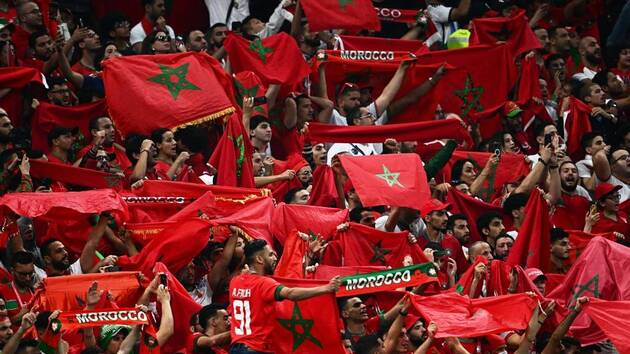
Beyond tactics and infrastructure, football in Morocco carries deep symbolic meaning. It reflects social diversity, regional pride, and a shared sense of belonging. Stadiums become spaces where identity is expressed collectively, reinforcing football’s role as a unifying force.
Major international performances have strengthened this connection between football and national identity, reinforcing the idea that success on the pitch represents more than sporting achievement—it reflects resilience, ambition, and national confidence.
This emotional dimension contributes to the distinct character of Moroccan football within Africa.
Moroccan football is unique in Africa because it combines historical continuity, institutional structure, youth development, international exposure, and a strong sense of identity. It is neither purely local nor entirely global, but a carefully balanced blend of both.
This balance allows Morocco to remain competitive, adaptable, and culturally grounded in a rapidly evolving football environment. As African football continues to grow and diversify, Morocco’s model offers an example of how tradition and modernity can coexist to create a distinctive and resilient football identity.
Laisser un commentaire