Hosting a major football tournament is often described as an honour. Sometimes as a celebration. Almost always as an opportunity. Yet, for the host nation, it is also a moment of exposure — a moment where identity is no longer shaped quietly over time, but examined publicly, under pressure.
As Morocco hosts the Africa Cup of Nations in 2025, the challenge goes beyond results. The real question is more subtle: how will Moroccan football respond when expectations become collective, emotional, and unavoidable? Hosting AFCON is not about reinventing an identity. It is about seeing whether an existing one holds under pressure.
An Identity Built Through Patience Rather Than Spectacle
In recent years, Moroccan football has developed a recognisable profile across the continent. It is not defined by constant attacking dominance or individual brilliance alone, but by structure, discipline, and balance. Moroccan teams have learned how to compete before learning how to impress.
This identity did not emerge overnight. It was built through long-term planning, tactical continuity, and a growing alignment between institutions, coaches, and players. Success came gradually, through organisation and resilience rather than spectacle.
Hosting AFCON changes the emotional environment around this identity. At home, patience can feel like hesitation. Control can be mistaken for caution. What was once admired for its efficiency may suddenly be judged against expectations of authority and dominance.
Playing at Home: Comfort or Pressure?
Playing on home soil is often described as an advantage. Familiar stadiums, vocal supporters, and emotional connection can lift a team. But they can also compress space and time, leaving little room for error or adjustment.
For Morocco, this pressure carries historical weight. Past AFCON campaigns have often raised hopes before ending in frustration. Hosting the tournament inevitably reawakens those memories — among supporters, players, and the wider football community.
In such moments, identity is tested less by tactics than by composure. How a team reacts after conceding, how it manages impatience from the stands, how it resists the urge to rush — these moments reveal far more than a match plan.
Stadium Atmosphere and Emotional Balance
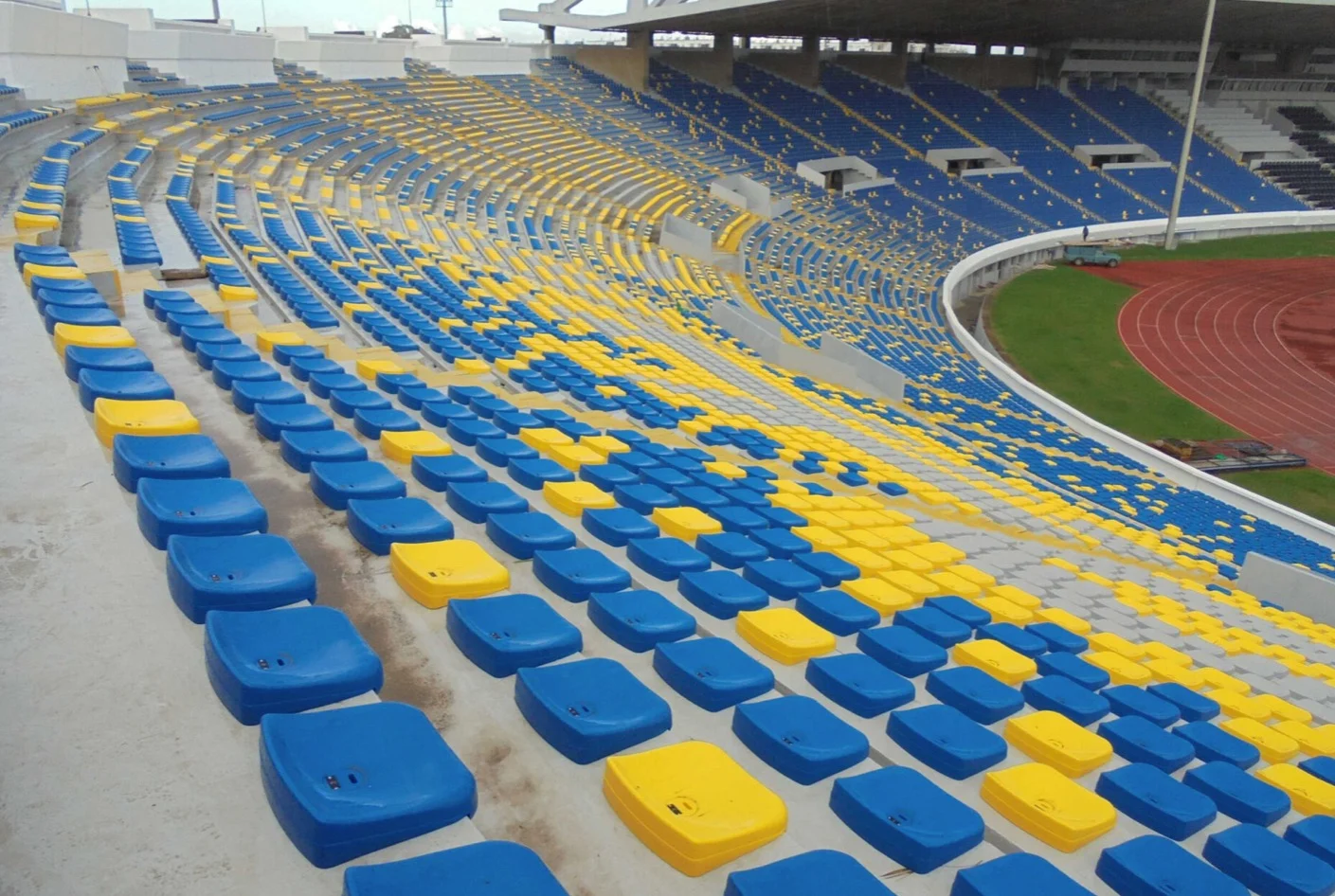
Moroccan stadiums are powerful spaces. They do not simply host matches; they shape them. Supporter culture has become an essential part of Morocco’s football expression, transforming games into shared experiences.
Yet intensity cuts both ways. Emotional energy can inspire, but it can also overwhelm. When expectations rise, noise becomes pressure. Silence becomes anxiety. Players are asked not only to perform, but to carry a collective mood.
AFCON 2025 will test whether Moroccan football can maintain emotional balance in environments charged with meaning. Remaining faithful to structure in such moments requires maturity — not just technical, but psychological.
Symbolism Beyond the Pitch
Hosting AFCON also places Morocco in a symbolic position within African football. Organisation, infrastructure, and presentation will all be scrutinised alongside sporting performance. The tournament becomes a reflection of how Morocco sees itself, and how it wishes to be seen.
This symbolic dimension can subtly influence decision-making on the pitch. There is always a temptation to perform an identity rather than live it — to seek visible authority instead of trusting established principles.
But football identities are strongest when they are applied quietly and consistently, not when they are adjusted to meet expectations from the outside.
Adaptation Without Losing Direction
Every tournament requires adaptation. Opponents differ, moments shift, and no plan survives untouched. Hosting AFCON does not remove that reality. What it changes is the margin for emotional error.
The key difference lies between adapting within an identity and abandoning it under pressure. Morocco’s recent progress has been built on clarity, not improvisation. AFCON 2025 will therefore test the team’s ability to remain flexible without losing direction.
A Moment of Truth, Not Reinvention
AFCON 2025 is not a blank page for Moroccan football. It remains a mirror. Hosting the tournament amplifies both strengths and vulnerabilities, but it does not demand transformation.
If Morocco approaches this moment with the same patience, structure, and emotional control that have shaped its recent trajectory, the tournament can still become a confirmation rather than a reckoning. In that sense, success will not be measured only by silverware, but by the ability to remain faithful to an identity forged over time — even when the whole continent is watching.
Laisser un commentaire